
Why the Best Sports Medicine Professionals Are Often Former Athletes
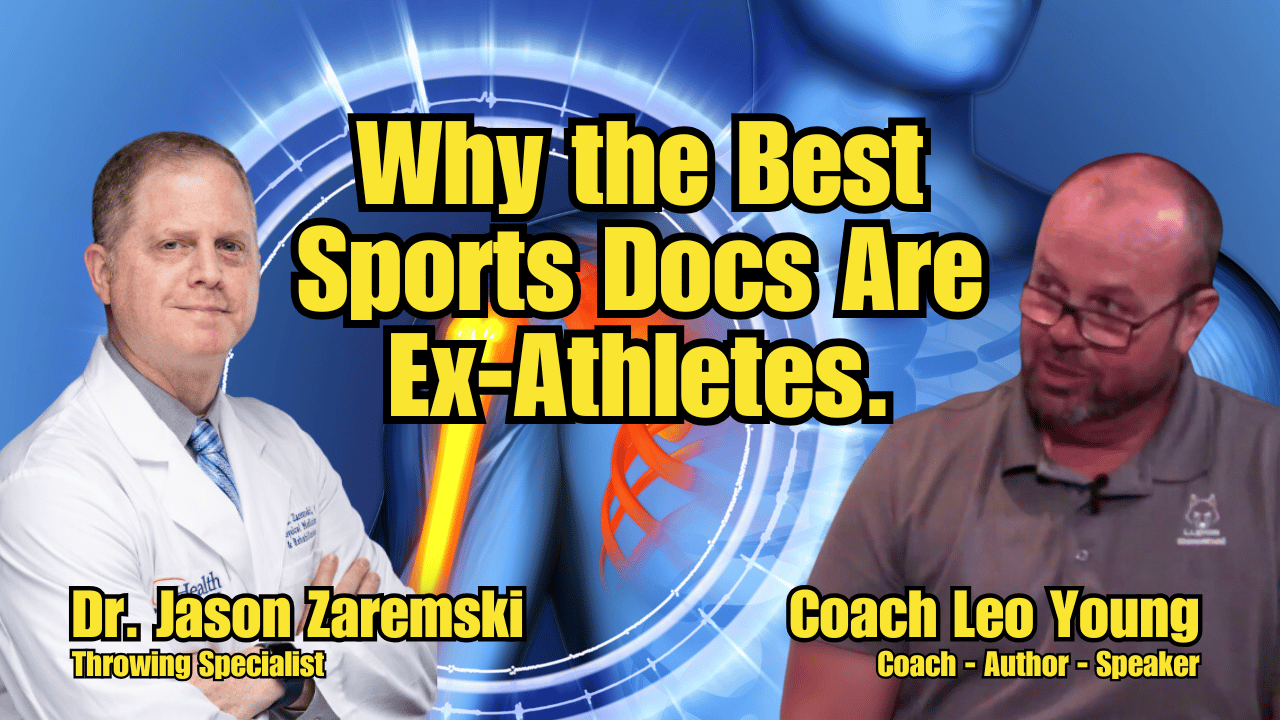
The best sports doctors don’t just study injuries—they’ve lived them. In this Sore to Soaring Podcast episode, Dr. Jason Zaremski (UF Health, USA Soccer, Olympic Team Physician) and Coach Leo Young discuss why the most effective sports medicine professionals are often former athletes themselves. From injury empathy to rehab experience, their background builds trust and clarity when it matters most. Why the Best Sports Medicine Professionals Are Often Former Athletes What makes an athlete trust a doctor or physical therapist more than anyone else? It’s simple: they’ve been there. In this episode of the Sore to Soaring Podcast, Dr. Jason Zaremski shares why many of the most respected sports medicine professionals—from USA Soccer to the Olympic medical team—are former athletes themselves.
INJURY PREVENTION & PERFORMANCE BUILDING STRONGER ATHLETES
Coach Leo Young
9/1/20252 min read
Experience Builds Trust
When an athlete sits down across from a physician or therapist who’s played at a high level, the conversation instantly changes.
They’re not just getting a diagnosis—they’re talking to someone who understands:
– The mindset of wanting to play through pain
– The frustration of being sidelined
– The grind of rehab
– The anxiety of losing progress
– The pressure to get back in the game
Dr. Z, a former college baseball player himself, explains that many of his colleagues at UF Health, USA Soccer, and the Olympic medical team share a similar background.
They’ve felt what their patients are feeling.
And that experience makes all the difference.
Have you worked with a doctor, PT, or trainer who just “got it” because they’d been through it too? Share your story in the video comments.
“They Know How It Feels”
Coach Leo Young puts it plainly:
“These doctors aren’t just studying athletes—they were athletes. That gives them a level of insight, accuracy, and empathy that’s tough to teach.”
A former athlete-turned-sports medicine professional knows when to push and when to pause.
They know the difference between “hurting” and “injured.”
They can talk recovery, timelines, setbacks, and second winds in a way that lands with athletes—because it’s not theoretical.
Better Communication Leads to Better Outcomes
When athletes feel understood, they’re more likely to:
– Be honest about symptoms
– Stick to rehab plans
– Ask better questions
– Trust the process
That’s a win for everyone—especially in high-pressure situations where small decisions can change careers.
Key Takeaways
✅ Many top sports medicine professionals are former athletes
✅ Their personal experience improves trust and communication
✅ They understand injury, recovery, and mindset firsthand
✅ Athletes respond better when they feel heard—not just treated
✅ The best doctors blend science with empathy earned through experience
How Sore to Soaring Builds Trusted Support Networks
At Sore to Soaring, we believe athlete care should be holistic—and it starts with communication.
That’s why we work with professionals like Dr. Zaremski who combine elite medical knowledge with lived experience as athletes.
We help our players navigate injury, recovery, and return-to-play with real guidance—not just theory.
Support our mission at: www.SoreToSoaring.org
Disclaimer
This episode is for informational purposes only. Any mention of a company, product, or business does not constitute an endorsement by Sore to Soaring. Always consult with a qualified physician or healthcare professional before beginning any training program, implementing injury prevention techniques, or making medical decisions related to your health or performance.
To learn more about Dr. Jason Zaremski and UF Health Sports Medicine, visit:
https://ufhealth.org
#SportsMedicine #FormerAthletes #SoreToSoaring
#AthleteRecovery #InjuryRehab #BaseballInjuries
#YouthAthleteHealth #SmartTraining #PTForAthletes
#SportsPerformance #BaseballDevelopment #TrustYourTeam

Lupos Initiative DBA Sore to Soaring
4046 49 St N. 1236 St Petersburg, FL 33706
EIN# 33-1408995
Info@soretosoaring.org