
Why Emotional Discipline Is a Competitive Advantage in Sports, Leadership, and Life—and How Young Athletes Can Build It Before It Costs Them
The ability to control your emotions under pressure isn’t just a personality trait—it’s a leadership skill. In this blog, Brannon Snead explains why young athletes must learn to pause before reacting, speak with intention, and understand that one careless moment can overshadow years of effort. It’s not about being perfect—it’s about being composed.
FROM TRAINING TO TRIUMPH - WHAT MILITARY AND SPORTS TEACH ABOUT LEADING, WINNING, AND GROWING IN LIFE
Coach Leo Young
10/6/20252 min read
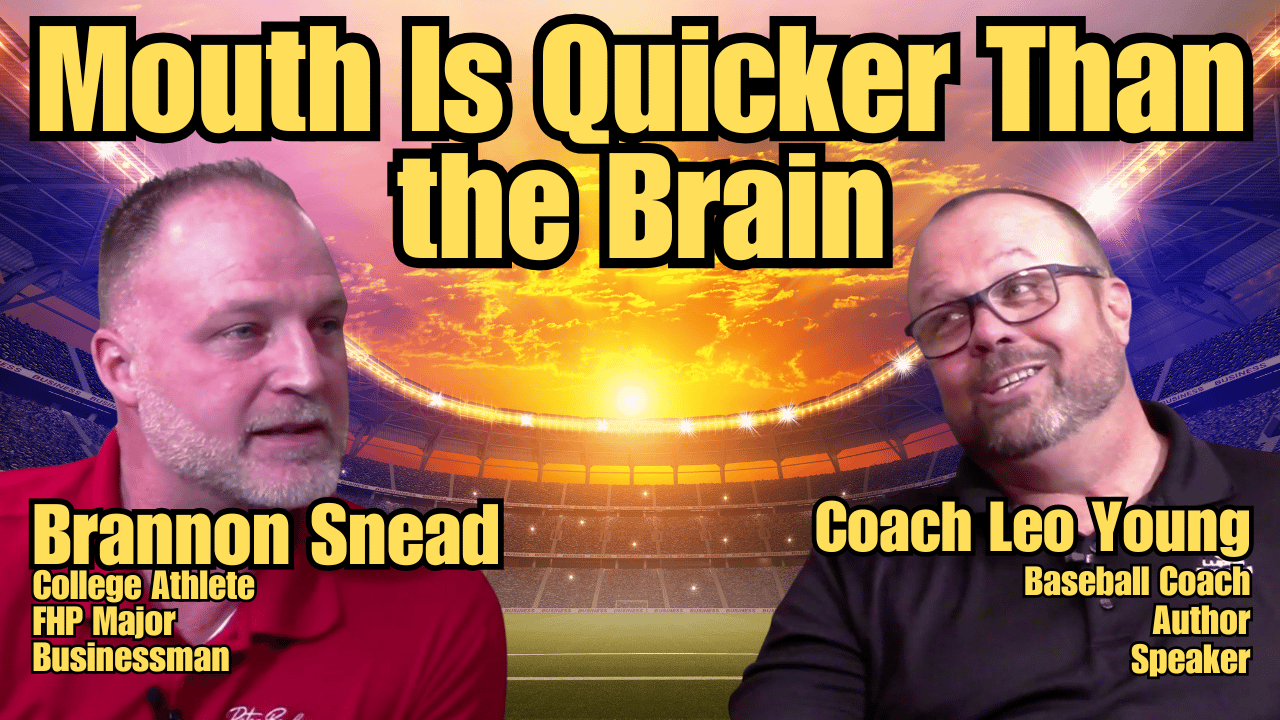

“Mouth Is Quicker Than the Brain”—And That’s the Problem
Brannon Snead’s message cuts straight to the core:
“You can apologize—but once it’s said, you can’t take it back.”
In sports, high-pressure jobs, or leadership roles, the ability to pause before reacting is a competitive edge. Lose your temper, pop off in frustration, or shoot your mouth off in the wrong moment—and the damage is done.
That’s what makes emotional control so valuable.
It protects your relationships, your opportunities, and your credibility.
What’s one moment where staying calm helped you—or losing your cool cost you?
Drop your story in the comments on the full video and help someone else stay grounded.
Emotional Discipline = Leadership
We hear a lot about physical toughness and mental grit.
But emotional regulation is just as important—especially for young athletes learning to lead.
Brannon reminds us:
You can still be competitive. You can still speak your mind.
But you need to learn to say it in a way that builds respect—not regret.
That’s not “soft.” That’s next-level maturity.
Emotion Can’t Drive the Bus
The best athletes don’t eliminate emotion—they manage it.
They compete fiercely, but they don’t let anger speak for them.
They feel pressure, but they don’t collapse under it.
That self-regulation? It’s not accidental—it’s trained behavior.
And it’s a skill that separates players who get second chances… from the ones who don’t.
Coaches: Make Composure a Non-Negotiable
Coaches often correct bad behavior after the fact. But emotional discipline should be coached in real time.
Here’s how:
✔ Teach players to breathe, reset, and communicate under stress
✔ Stop praising “fire” if it shows up as reckless behavior
✔ Encourage passion—but demand respect in how it’s expressed
✔ Make composure part of the team identity, not just a personality trait
How Sore to Soaring Trains Athletes to Stay Grounded
At Sore to Soaring, we focus on the emotional side of player development—because it’s the difference between talent and trust.
✔ We teach athletes to control their tone, energy, and presence
✔ We coach them through adversity—not just after it
✔ And we help them build the self-awareness to lead under pressure, not collapse from it
🌍 Learn how we develop athletes who lead with control, not chaos:
👉 https://www.soretosoaring.org
Disclaimer:
The content shared is for informational purposes only. This is not a judgment of any person or program mentioned. All names and events are discussed from personal memory and are not meant to accuse or endorse. The goal is to share insight from lived experience.
#SoreToSoaring #EmotionalDiscipline #AthleteMaturity
#LeoYoung #BrannonSnead #ThinkBeforeYouSpeak
#PlayerDevelopment #SportsLeadership #SelfControlInSports
#YouthAthletes #RespectTheGame #CoachToLeader
#LeadershipDevelopment #AthleteAccountability #ComposureUnderPressure

Lupos Initiative DBA Sore to Soaring
4046 49 St N. 1236 St Petersburg, FL 33706
EIN# 33-1408995
Info@soretosoaring.org